Complete Pet Travel Guide: Stress-Free Adventures with Your Dog

Successful dog travel requires preparation: get your dog comfortable with carriers/cars beforehand, pack essentials (food, water, medications, documents), plan for regular breaks, research pet policies, and have strategies for managing travel anxiety. Start with short trips to build positive associations.
Skip to our picksPreparing Your Dog for Travel

🔑 Key Takeaways
- •Check airline pet policies at least 2 weeks before booking
- •Get a health certificate from your vet within 10 days of travel
- •Pack familiar items—a favorite toy or blanket reduces anxiety
- •Freeze water in bowls so it melts slowly during travel
Good travel experiences start with preparation:
Carrier Training
- Introduce the carrier at home with treats and positive associations
- Feed meals in or near the carrier
- Gradually increase time spent inside
- Take short car rides in the carrier
- Build up to longer trips
Car Conditioning
For dogs not used to car travel:
- Start with just sitting in parked car with treats
- Progress to short drives around the block
- Gradually increase trip length
- Associate car rides with fun destinations (park, not just vet)
- Use calming aids if needed during training
Travel Essentials Packing List
Documentation
- Current vaccination records
- Health certificate (required for flights and some states)
- Microchip information
- Recent photo (in case of separation)
- Your vet's contact information

🏆✈️ Airline-Approved Carrier
The Sherpa Original fits under most airline seats and is comfort-rated for pets.
Food and Water
- Enough of your dog's regular food for the trip
- Collapsible bowls
- Bottled water (to prevent stomach upset from unfamiliar water)
- Treats for training and rewards
Comfort Items
- Favorite blanket or bed
- Familiar toys
- Something with your scent
- Calming aids if your dog needs them
Safety and Cleanup
- Leash and collar with current ID tags
- Poop bags
- Pet first aid kit
- Cleaning supplies for accidents
- Portable pet gate or exercise pen
Car Travel

Safety First
- Use a crash-tested carrier or dog seatbelt
- Never let dogs ride loose in the car
- Back seat is safest (away from airbags)
- Never leave dogs in hot cars—even for minutes
During the Drive
- Stop every 2-3 hours for bathroom breaks and leg stretching
- Offer water at stops
- Keep the car at comfortable temperature
- Provide good ventilation
- Play calming music if it helps
Motion Sickness
If your dog gets carsick:
- Don't feed right before travel
- Keep windows cracked for fresh air
- Face forward when possible
- Ask your vet about motion sickness medication
- Ginger treats may help some dogs
Air Travel
Cabin vs. Cargo
Small dogs may fly in cabin; larger dogs travel in cargo:
- Cabin: Carrier must fit under seat, weight limits apply
- Cargo: More stressful, requires airline-approved crate
- Book early—airlines limit pets per flight
- Direct flights minimize stress
Preparing for Flights
- Research airline pet policies thoroughly
- Get health certificate within required timeframe (usually 10 days)
- Exercise your dog before the flight
- Don't sedate unless vet-recommended
- Label carrier with your contact info
Managing Travel Anxiety
Signs of travel stress:
- Panting, drooling
- Whining or barking
- Trembling
- Attempting to escape
- Refusal to eat
Natural Calming Options
- Thundershirt or anxiety wrap
- Calming pheromone sprays
- CBD products (legal in your area, vet-approved)
- Rescue Remedy or similar
- Familiar items with home scents
When to Consider Medication
Talk to your vet if:
- Natural methods aren't enough
- Anxiety is severe
- Long travel is unavoidable
- Your dog's wellbeing is at risk from stress
Pet-Friendly Accommodations
Finding Places to Stay
- Use pet-friendly hotel search filters
- Call ahead to confirm policies (websites can be outdated)
- Ask about fees and deposits
- Check for weight or breed restrictions
- Read reviews from other pet owners
Hotel Etiquette
- Never leave your dog alone in the room unless explicitly allowed
- Bring a crate for when you must be out
- Clean up any accidents immediately
- Don't let your dog on furniture unless you bring covers
- Be considerate of other guests (barking)
Destination Considerations
- Research pet-friendly activities at your destination
- Locate emergency vets before you need them
- Know local leash laws
- Check for regional health risks (heartworm, ticks)
- Prepare for weather conditions
International Travel
Traveling abroad requires significant planning:
- Research destination country's pet import requirements (can take months)
- Some countries require quarantine
- Microchip must meet international standards
- USDA-endorsed health certificate usually required
- Consider whether the trip is worth the stress for your pet
When to Leave Your Dog Home
Sometimes the kindest choice is a quality boarding facility or pet sitter:
- Very short trips
- Extreme travel anxiety
- Destinations not suitable for dogs
- Your dog's health or age makes travel risky
- Complicated international requirements
The Bottom Line
Traveling with your dog can be wonderful with proper preparation. Start with short trips to build confidence, pack thoughtfully, prioritize safety, and have strategies for managing stress. Some dogs become great travelers; others are happier at home. Know your dog and plan accordingly.
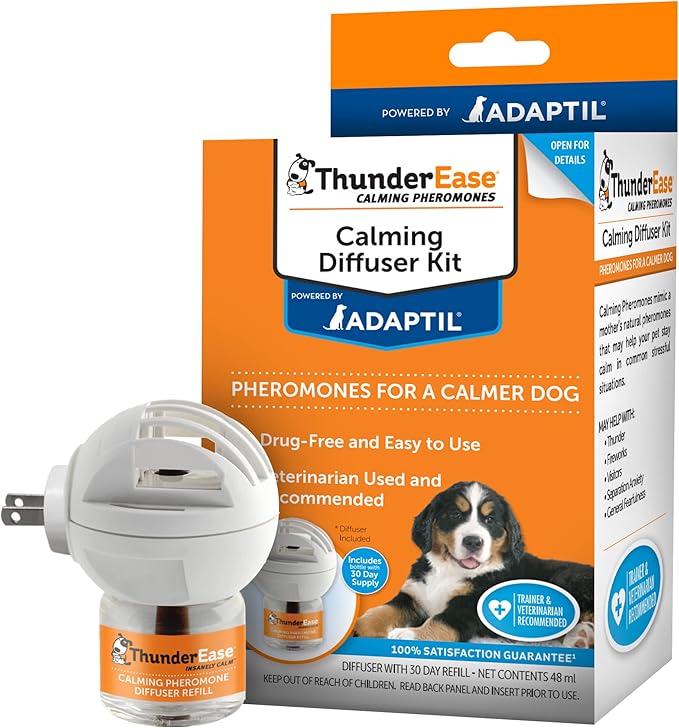
🏆😌 Help Your Anxious Dog
Our top calming product for anxious pups.


