New puppy checklist: what you actually need. Puppy coming home and a 40-item list? Cut it down.
Day one takes 15 things, and the cleanup kit comes first. The crate, a chew and the rest follow, and the puppy perfume and designer bed never make the list.
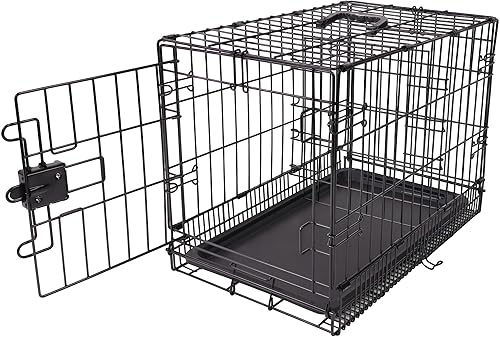
Fifteen things cover day one, and the cleanup kit comes first: an enzyme cleaner (Naturally It's Clean for fresh spots) and poop bags, then the Amazon Basics Foldable Metal Wire Dog Crate, bought at adult size and divided down.
The catch: the crate latch is basic, and a determined dog can test the wire.
Food, bowls, treats, a pad, a scent towel, collar, leash, tag, gates, a chew, a tug and a booked vet visit follow.
The rest waits.
In this guide10 sections
Keys in hand, you take one last look at the back door. The new puppy checklist starts there: puppies have accidents on day one, so the cleanup kit goes by that door first. Day one takes 15 things, most of them boring, plus five setup jobs before the car ride home.
Park the enzyme cleaner and poop bags by the back door, right where you just looked. For fresh puppy spots we pick Naturally It's Clean (read the Naturally It's Clean review).
Set up the crate with its divider in, so it fits a puppy now and the adult dog later. Our pick: the Amazon Basics wire crate.
Lay a washable pad inside, with the littermate-scented blanket on top.
Clip the ID tag to the collar before you leave to pick him up.
Gate the stairs, get cords and shoes off the floor, and book the first-week vet visit.
Buy for that. Buy the rest once you've met the puppy.
The picks side by side
Pick
Best for
The catch
Our pickAmazon Basics Foldable Metal Wire
Best forPuppy crate training
The catchBasic wire build for strong dogs
Also greatEarth Rated Unscented Dog Poop
Best forOwners who dislike lavender bags
The catchNo lavender, so the bag won't cover the smell.
Also greatheouvo Magnetic Dog Treat Pouch
Best forActive training sessions
The catchGets dirty inside
Before the puppy comes home
Accidents and cleanup
Buy the cleanup kit before pickup, the one waiting by that back door. Puppies have accidents on day one, and regular sprays leave the smell that tells him to go there again. Our pick, from our enzyme cleaner roundup: Naturally It's Clean. Plant-based enzymes that break down the mess, no dyes or artificial fragrance. The catch: it is built for fresh spots, so an old spot needs an overnight soak, and its lemon scent comes from essential oil, so the spot will not be scent-free.
Poop bags. Earth Rated makes a plain, unscented roll, sold as thick and leak-proof, if you'd rather not walk around smelling of lavender (see Earth Rated at Amazon). The catch: nothing masks the smell, so tie it off fast.
Puppy pads, only if you plan to use them. Some trainers go straight to outside.
Eat and drink
The same food the breeder or shelter used. Switch later, slowly, with your vet's input.
Two bowls. Stainless steel is easy to clean and hard to chew.
Small, soft training treats. You'll be handing out a lot of them, so stock up from our best dog training treats.
Handing out a lot of them? Pet Botanics Training Rewards are 1.5 calories a bite, with DHA and pumpkin, about 200 to a bag.
Sleep
A crate sized for the adult dog, with a divider to make it puppy-sized for now.
A washable crate pad. It will get chewed, and it will get peed on.
A towel or blanket that smells like his mother and littermates. Ask the breeder or shelter to rub one on them before pickup, so the crate smells like home.
A blanket that smells like his littermates makes the crate feel familiar. Photo: Chaoticfluffy, CC BY-SA 3.0, via Wikimedia Commons
Stay safe
Collar or harness and a regular leash.
An ID tag with your phone number. Today, not when the cute custom one arrives.
Baby gates for stairs and off-limits rooms.
Chew and play
Two or three puppy-safe chew toys, plus one tug toy.
Two or three puppy-safe chews that are his to gnaw.
Book it
A vet visit in the first week. Bring the breeder or shelter records.
Crate size: buy for the grown dog, divide it for the puppy
A crate your puppy can grow into means you buy one crate, not three. The divider panel is what makes that work.
Slide it in so he has room to stand up, turn around and lie flat, and not much more. Most puppies avoid peeing where they sleep, but a big empty crate has space for a bedroom and a bathroom. Move the panel back as he grows.
Not sure how big he'll get? Ask the breeder or shelter for an estimate, then check it with your vet at the first visit. Our guide to the best dog crate for every size matches crates to the adult dog, so you only shop once.
Slide it in so he has room to stand up, turn around and lie flat, and not much more.
The first week
A treat pouch that clips on. A magnetic one like the heouvo opens with one hand, so the reward lands while the good behavior is still happening (see the heouvo pouch at Amazon). The catch: it gets grubby inside, and the magnet weakens over time.
Puppy shampoo, puppy nail clippers and a basic brush.
A long training line for recall practice in a safe, open space.
The first month
Puzzle and food toys, once you see how fast your puppy gets bored.
A nicer bed, after the worst of the chewing.
A car harness or crate for rides.
Not sure which one? See the best dog car safety gear: harness, seat cover or booster, by weight.
A puppy class. Ask your vet when your puppy is ready to join one.
Skip the puppy perfume. That nose is the most sensitive thing in your house.
A pile of toys. Three or four, rotated, beats a basket of ignored ones.
A designer bed. Right now it's a chew toy.
Supplements you didn't ask your vet about.
Bark collars. Not on a puppy.
A retractable leash. It teaches pulling and gives you no control near a road.
The first night
There will be crying. Your puppy just left everyone they've ever known. It isn't a sign you did something wrong.
Put the crate next to your bed, so they can hear and smell you.
Add the towel from his litter, so the crate smells like home.
Run a fan or white noise to soften the silence.
Plan on at least one middle-of-the-night potty trip. Small puppy, small bladder.
Open the crate in a quiet moment, not mid-cry, so crying doesn't become the key.
Crying, repeat accidents, a shredded pad: what to do when week one goes sideways
See the 4 pointsHide this section
The list gets you through day one. Week one is where the plan meets an actual puppy.
The crying won't stop. Take him out to pee first. A full bladder and a lonely puppy sound exactly the same at 2 a.m. Back in the crate, keep it beside you and wait for a pause in the noise before you let him out.
He keeps peeing on the same spot. He can still smell the last accident there. Soak it with the enzyme spray all the way down, give it the time on the bottle, and let it air dry. A spot that dried before you found it needs the longer soak; our Naturally It's Clean carpet cleaner review walks through the second pass.
The crate pad is in pieces. Pull it out for now and use an old towel you won't miss. Every time he goes for the bedding, swap in a chew toy. The pad goes back once the chewing calms down.
He's barely eating. Keep the breeder's or shelter's food; a new home is enough change for one week. If he keeps skipping meals or seems unwell, call your vet rather than waiting it out.
Puppy-proof at floor level first
Cords hidden or covered.
Shoes, socks and small things off the floor.
Houseplants up high until you've checked they're safe for dogs.
Day one is a crate, food, a chew, a tag and a cleaner
Keys back on the hook, the cleanup kit stocked, the crate divided, the bowls filled, a chew toy out and the tag on, and the first day is covered. Everything after that, the puppy will tell you about, usually by chewing it. First car ride or vet visit? See our dog carriers and travel picks.
What should I ask the breeder or shelter for at pickup?
Three things: the name of the food he's been eating, his health and vaccine records for your vet, and a blanket rubbed on his mother and littermates. Each one makes the first week calmer.
Do I need puppy pads if I'm training him to go outside?
No. Pads make sense if you plan to train with them, for example in an apartment without quick yard access. If outside is the plan from day one, skip them, so he doesn't learn that indoors is an option.
What can wait until after the first vet visit?
Walks in busy public places, the full walk kit and a puppy class. Your vet will tell you when he's ready for each. Until then, the house and your own yard are plenty of new things.