Vacuum, soak each accident spot with enzyme cleaner, then shampoo last. Read the cleaning code tag first; leather needs its own cleaner and conditioner.
Vacuum, soak each accident spot with enzyme cleaner, then shampoo last.
The catch: Old stain? Soak it at bedtime and let it work overnight.
The maker states: Enzyme formulaThe maker states: it uses enzymes, which break down the pee or vomit itself, so the smell goes with it.
The maker states: Made in USAThe maker states: it is made in the USA, with no qualifier. Under FTC rules, that claim has to mean all or virtually all of it is made here.
Couch still smells like dog after a wipe-down? The smell lives in the foam, not the cover. Five steps reach it:
In this guide
Check the cleaning code tag under the cushions. W or WS: water is fine. S: solvent cleaner only, no water. X: vacuum only, then call an upholstery cleaner.
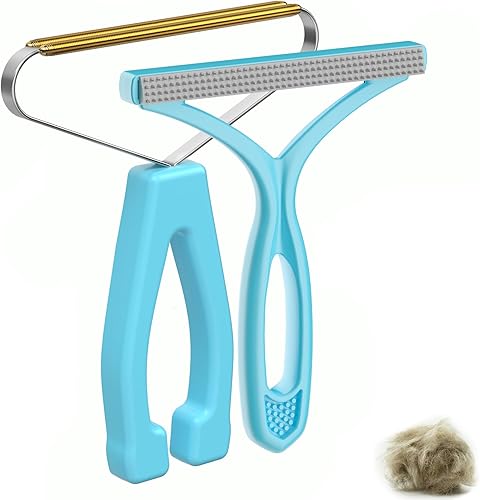
Vacuum both sides of every cushion, then drag a rubber glove or squeegee across the fabric to roll up the hair.
Find every spot with a UV flashlight in a dark room. On a W or WS couch, soak each fresh one with our pick, Naturally It's Clean Carpet Upholstery Cleaner, deep enough to reach the foam. Give it a few minutes, then blot (see Naturally It's Clean at Amazon).
Old, set-in spot on a W or WS couch? Soak it with Rocco & Roxie, made for long soaks. Leave it overnight, then air dry with the cushion standing on its edge so nothing pools (see Rocco & Roxie at Amazon).
Still smells like dog all over? Shampoo the fabric last. Then keep a fan on the cushions until they are completely dry.
One rule: no steam on a fresh pee spot
No steam cleaner on a fresh pee spot. Heat can set the stain and smell before the enzymes get a chance.
Hair tools for step 2: see our hair removal picks. The smell usually lives in the foam, not the cover, so the cleaner in steps 3 and 4 has to reach it.
See a vet if a house-trained dog suddenly starts peeing on the couch, or keeps going back to the same spot after you have cleaned it. A medical cause is worth ruling out before you clean again.
Read the tag under the cushions before anything wet touches the couch. Water on the wrong fabric leaves rings or ruins the finish.
W: Water-based cleaners are fine.
S: Solvent cleaners only, no water.
WS: Either works.
X: Vacuum only. Call an upholstery cleaner for accidents.
Why a surface wipe won't work: the smell sticks to the foam
A cushion is a sponge in a fabric bag. Pee soaks through the cover into the foam and the fiber wrap, and it spreads wider inside than the spot you can see.
That's why a wipe on the surface smells fine for a day, then the smell comes back.
Step by step: hair, spots, shampoo
Vacuum first: Vacuum both sides of every cushion, the seams, under the cushions and the frame. Use the crevice tool on tufting and seams, where hair packs in.
Pull the hair: Drag a rubber squeegee or a rubber grooming glove across the fabric; the hair rolls into clumps you can pick up. For hair ground into the weave, a copper scraper like the SOCCSO Copper Pet Hair Remover gets it out, but its small head makes a whole couch slow.
Find the spots: Use a UV flashlight in a dark room to find every one, then soak each with an enzyme cleaner. A light mist only cleans the cover; the cleaner has to reach as deep as the pee did.
Fresh pee: Our pick is Naturally It's Clean Carpet Upholstery Cleaner. Give a fresh spot a few minutes, then blot. Tougher stains get longer.
Old, set-in pee: Rocco & Roxie Professional Strength Enzyme Cleaner is made for long soaks: leave old stains overnight, then let them air dry. Stand the cushion on its edge so the cleaner doesn't pool.
Zip-off cover: If the tag says it's machine washable, wash it on its own. Treat the foam insert separately and let it dry completely.
Shampoo last: Shampoo only after the spots are done, for the all-over dog smell from oils and dander. Test a hidden spot first, use as little solution as you can, and extract or blot until the fabric stops giving up water.
Drying: Keep a fan on the cushions until they are completely dry, which can take more than a day. A damp cushion starts smelling again.
Air it out: Once the fabric is bone dry, sprinkle baking soda, let it sit, then vacuum it up. If you can, set the cushions outside in fresh air for a day.
Leather couches
Read this sectionHide this section
Leather: Holds less smell than fabric, but pee seeps through stitching holes and perforations. Vacuum the creases, wipe with a leather cleaner, treat any spot with an enzyme cleaner after a hidden-spot test, then condition the leather so it doesn't crack.
The deck: Check under the cushions too. Many leather couches have a fabric deck where pee collects.
When to replace the cushion foam
Read this sectionHide this section
When to replace: When the same spot has been hit again and again, or the smell survives repeated rounds of enzyme cleaner. A new foam insert lets you keep the couch instead of replacing it.
Pro help: For an expensive couch or a soaked one, a professional upholstery cleaner's extraction reaches deeper than home tools.
Keep the smell from coming back
Use washable throws on your dog's spots and wash them weekly.
Vacuum the couch weekly so hair and dander don't build up.
When you shop for the next couch, get zip-off washable covers.
Only the covers, and only if the tag says machine washable. Washing machines wreck most foam, so treat the insert by hand.
Why does my couch still smell after cleaning?
The smell is in the foam under the fabric. Soak the spot again with enough enzyme cleaner to reach the foam, or replace the insert.
How do I dry cushions fast?
Stand them on edge, point a fan at them and run a dehumidifier in the room. Skip heat, which damages foam. Expect it to take more than a day.
Bottom line
In short
Get the hair out, soak each accident with an enzyme cleaner deep enough to reach the foam, and only then shampoo. If repeated rounds don't clear a spot, replace that cushion insert.