Slow Feeding for Better Digestion: A Complete Guide

The secret to a calm, well-adjusted dog isn't more walks—it's smarter enrichment. Here's how to tire out your pup's brain without exhausting yourself.
If your dog inhales food, slow feeding could prevent bloat, improve digestion, and extend mealtime.
In this guide, you'll learn everything you need to know about slow feeding dogs—and more importantly, how to actually make it work for your dog.
What You'll Learn
This comprehensive guide covers:
- The fundamentals of slow feeding dogs every pet parent should know
- Step-by-step instructions you can start using today
- Common mistakes to avoid (and what to do instead)
- Expert tips for long-term success
- Product recommendations that actually work
Dog Eats Too Fast
When it comes to dog eats too fast, getting it right makes all the difference. Here's what you need to know.
Most dog owners approach dog eats too fast the wrong way. They either overcomplicate it or skip crucial steps. Let's break it down into manageable pieces.
- Start with the basics—dog eats too fast doesn't have to be complicated
- Consistency matters more than perfection. Stick with it.
- Watch your dog's response and adjust as needed
- When in doubt, consult your vet for personalized guidance
Pro tip: Most dogs respond best when dog eats too fast is paired with positive reinforcement. A few treats go a long way!
Prevent Dog Bloat
When it comes to prevent dog bloat, getting it right makes all the difference. Here's what you need to know.
Most dog owners approach prevent dog bloat the wrong way. They either overcomplicate it or skip crucial steps. Let's break it down into manageable pieces.
- Start with the basics—prevent dog bloat doesn't have to be complicated
- Consistency matters more than perfection. Stick with it.
- Watch your dog's response and adjust as needed
- When in doubt, consult your vet for personalized guidance
Slow Feeder Benefits
When it comes to slow feeder benefits, getting it right makes all the difference. Here's what you need to know.
Most dog owners approach slow feeder benefits the wrong way. They either overcomplicate it or skip crucial steps. Let's break it down into manageable pieces.
- Start with the basics—slow feeder benefits doesn't have to be complicated
- Consistency matters more than perfection. Stick with it.
- Watch your dog's response and adjust as needed
- When in doubt, consult your vet for personalized guidance
Mealtime Enrichment
When it comes to mealtime enrichment, getting it right makes all the difference. Here's what you need to know.
Most dog owners approach mealtime enrichment the wrong way. They either overcomplicate it or skip crucial steps. Let's break it down into manageable pieces.
- Start with the basics—mealtime enrichment doesn't have to be complicated
- Consistency matters more than perfection. Stick with it.
- Watch your dog's response and adjust as needed
- When in doubt, consult your vet for personalized guidance
Common Mistakes to Avoid
Even well-meaning pet parents make these errors with slow feeding dogs:
- Inconsistency—doing it once and forgetting about it for weeks doesn't work
- Using the wrong products or techniques for your dog's size and age
- Giving up too soon—results take time to show
- Ignoring warning signs that something's not working
- Not making it a positive experience for your dog
Frequently Asked Questions
Why does my dog eat so fast?
This is a common question about slow feeding dogs. The answer depends on your specific situation and your dog's individual needs. What works for one dog might need adjustment for another. The guidance in this article should point you in the right direction, but for personalized advice—especially if your dog has health conditions—always consult with your veterinarian.
Can eating too fast cause bloat?
This is a common question about slow feeding dogs. The answer depends on your specific situation and your dog's individual needs. What works for one dog might need adjustment for another. The guidance in this article should point you in the right direction, but for personalized advice—especially if your dog has health conditions—always consult with your veterinarian.
How to slow down dog eating?
This is a common question about slow feeding dogs. The answer depends on your specific situation and your dog's individual needs. What works for one dog might need adjustment for another. The guidance in this article should point you in the right direction, but for personalized advice—especially if your dog has health conditions—always consult with your veterinarian.
The Bottom Line
Here's the truth about slow feeding dogs: it's simpler than most people think. Once you understand the basics and establish a routine, it becomes second nature.
Start small. Stay consistent. Watch for your dog's feedback. And remember—you don't have to be perfect, just present.
Your dog is counting on you. Now you have the knowledge to deliver. Let's do this.
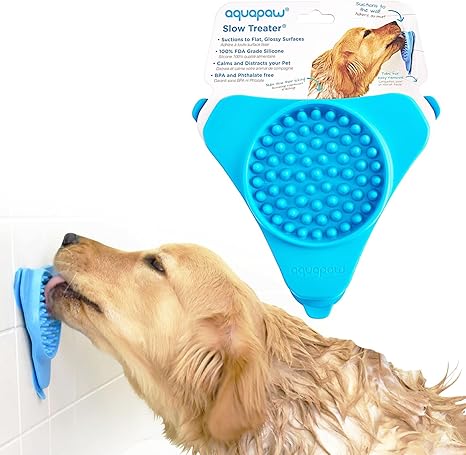
🏆👅 Best Lick Mat
Slow down mealtime and reduce anxiety with our top lick mat.


