Flea and tick treatments: 3 easy mistakes that put pets at risk
A cat near a freshly treated dog. A flea chew picked without a vet chat. A collar left on through a reaction. Three easy mistakes, and the check that heads off each one.
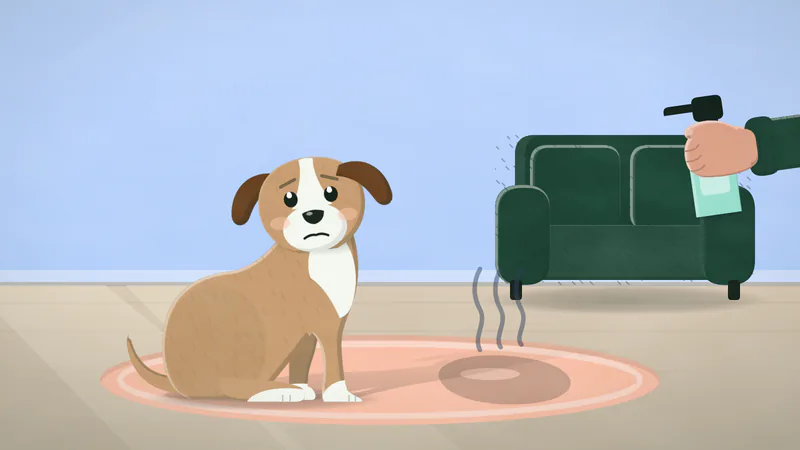
A cat grooming a dog fresh from a permethrin spot-on: mistake one. Before anything goes on your pet, read three things on the box: the species, the weight range and any "remove if" line. EPA traced most, but not all, spot-on incidents to misuse, and called dog products reaching cats an important problem. Weight matters a lot for the dose, too. Chews and collars carry the other two flea and tick treatment mistakes, below.
Who this is for: anyone treating a dog or cat for fleas, especially in a home with both.
Last checked Oct 14, 2026 · 5 sources
In this guide
The 3 flea and tick treatment mistakes
1. Letting a dog's permethrin product reach your cat
Why it matters: EPA requires "DO NOT USE ON CATS OR KITTENS" on every permethrin pet product. Its reason, in its own words: permethrin is "known to be very toxic to cats." The label names both routes: putting it on a cat, or a cat grooming a recently treated dog.
Where it hides: Dog spot-ons and sprays with "permethrin" in the active ingredients. Look for a shaded box with a cat slash icon on the front panel. In a two-pet home, the risk is the cuddle after treatment, not only the wrong tube.
What to do instead: Use only products labeled for cats on your cat. Before you treat the dog, read the cat warning on its box, and ask your vet how long to keep your cat from grooming or cuddling the dog.
If you see tremors or wobbly walking after an exposure: this calls for immediate vet care. Call your vet or ASPCA Animal Poison Control now (box below).
Why it matters: FDA has alerted owners and vets that isoxazoline flea and tick products have been linked to muscle tremors, ataxia (wobbliness) and seizures in some dogs and cats. Seizures can happen in pets with no prior history. FDA also says most pets haven't had these reactions, and it considers the class safe and effective.
Where it hides: In chewable tablets and some topicals. Check the active ingredient: the isoxazolines on FDA's list all end in "-laner" (fluralaner, lotilaner, afoxolaner, esafoxolaner, sarolaner).
What to do instead: Go over your pet's medical history with your vet before you choose. It's about fit, not fear.
Tell your vet if your pet has ever had a seizure, a tremor or a neuro reaction. If anything odd starts while your pet is on one of these, call your vet first.
FDA · fact sheet, current as of Aug 8, 2023
3. Leaving a collar on through a reaction
Why it matters: EPA's Seresto review lists itching (dogs) and hair changes near the collar (cats) as the more common reported reactions; convulsions or ataxia are rarer and more serious. The label now has to tell you to remove the collar if those effects occur. EPA kept the collar on the market, found its reported death rate similar to other pet products, and limited its approval to five years while it keeps reviewing reports.
Where it hides: In "set it and forget it" thinking. A collar works for months, so it's easy to stop checking on it.
What to do instead: Watch your pet closely after a collar goes on, especially the first time. EPA's word for any adverse reaction: remove the collar immediately. Then call your vet and report it.
✓ The species on the front matches the pet in your hands. Dog product, dog. Cat product, cat.
✓ The weight range covers your pet's weight today. EPA says weight matters a lot for dosing, so know your pet's weight before you buy. Growing puppy or kitten? Weigh again before each new box.
✗ "Permethrin" in the actives, or a shaded "DO NOT USE ON CATS OR KITTENS" box, anywhere near a cat. The label warns that a cat grooming a recently treated dog can get tremors. Keep them apart, and ask your vet for how long.
✗ An active ending in "-laner" that you haven't talked through with your vet.
✓ On a Seresto collar: the reaction warning and how to report it. Find both before it goes on. Any reaction on any collar: take it off (EPA).
✓ Know who to call. The "-laner" chews and topicals on FDA's list are FDA-approved drugs; permethrin spot-ons and collars like Seresto are EPA-registered pesticides. That split decides where you report a problem (box below).
Myth vs fact
Myth: "Natural" essential-oil flea repellents are the gentle option for cats.
Fact: The Merck Veterinary Manual lists "natural" flea and tick repellents among the products that contain essential oils. Cats are very sensitive to the phenolic compounds some oils contain, and tea tree oil is the most commonly reported essential-oil poisoning in pets. Ask your vet before using one on a cat.
Myth: A dose is a dose, whatever the dog's size.
Fact: EPA found small-breed dogs were affected more than larger breeds for some spot-on products, and it pushed makers to narrower weight ranges per vial. The right box is the one whose range fits your dog's weight.
Myth: Flea chews are dangerous, full stop.
Fact: FDA considers isoxazolines safe and effective for dogs and cats, and most pets haven't had neuro reactions. The point is picking with your vet, not skipping protection.