Why Litter Boxes Smell
Cat urine contains felinine, a sulfur-containing amino acid unique to cats. When felinine breaks down, it creates that distinctive "cat pee" smell that gets worse over time, not better.
Feces contains bacteria that produce odor as they decompose. The longer waste sits, the more it smells.
The litter box is a concentrated source of both. Without proper management, odor accumulates rapidly.
The Daily Routine (5 Minutes Total)
Morning Scoop (2 minutes)
- Remove all clumps and solid waste
- Check for any stuck-on residue on the box sides
- Top up litter if depth is below 3 inches
- Dispose of waste in a sealed bag (Litter Genie, tied grocery bag, or outdoor trash)
Evening Scoop (2 minutes)
Same as morning. Cats often use the box after eating, so evening scooping catches post-dinner deposits.
Weekly Deep Clean (10 minutes)
Once a week:
- Empty all litter
- Wash the box with hot water and mild dish soap
- Dry completely (moisture + litter = clumping and odor)
- Refill with fresh litter to 3–4 inch depth
Litter Type Matters
Clumping Clay Litter
Best for: Odor control, easy scooping, most cats
Why it works: Clumps form around urine, trapping odor and making it easy to remove the source completely. What you scoop out takes the smell with it.
Recommended: Dr. Elsey's Ultra, Arm & Hammer Slide, Fresh Step Clean Paws
Crystal Litter
Best for: Low dust, long-lasting, single-cat households
Why it works: Silica crystals absorb urine and dehydrate feces, reducing odor. One bag lasts 3–4 weeks for one cat.
Tradeoff: Doesn't clump — you stir daily and replace completely monthly. Some cats dislike the texture.
Natural/Plant-Based Litter
Best for: Eco-conscious owners, cats with clay allergies
Types: Pine pellets, wheat, corn, tofu
Odor control: Variable. Pine has natural antimicrobial properties. Wheat and corn can develop sour smells if not scooped frequently.
Not recommended for: Multi-cat homes, cats with respiratory issues (dustier than claimed)
Box Setup for Odor Control
Location
- Well-ventilated room
- Easy to access for daily scooping
- Away from food and water
- Multiple locations for multi-cat homes (1 box per cat + 1 extra)
- Closets or enclosed cabinets (trap odor)
- Basements with poor airflow
- Near heating vents (heat amplifies smell)
- Laundry rooms with humidity
Litter Depth
Too shallow (<2 inches): Urine reaches the box bottom, sticks, and creates odor that can't be scooped
Just right (3–4 inches): Urine clumps before reaching bottom, easy to scoop completely
Too deep (>5 inches): Wasteful, some cats refuse to use it, harder to scoop to bottom
Box Type
Open boxes: Best ventilation, easiest to scoop, but visible
Covered boxes: Trap odor inside (bad), hide mess (good for humans), some cats refuse them
Top-entry boxes: Reduce litter scatter, good odor containment IF scooped frequently
Self-cleaning boxes: Convenient, expensive, mechanical failure risk, some cats fear the noise
Odor Control Add-Ons
Carbon Filters
Place a carbon filter on or near the litter box. Activated carbon absorbs odor molecules. Replace monthly.
Baking Soda
Sprinkle 1–2 tablespoons in the bottom of the box before adding litter. Helps neutralize ammonia odors. Don't overdo it — too much can deter cats from using the box.
Air Purifier
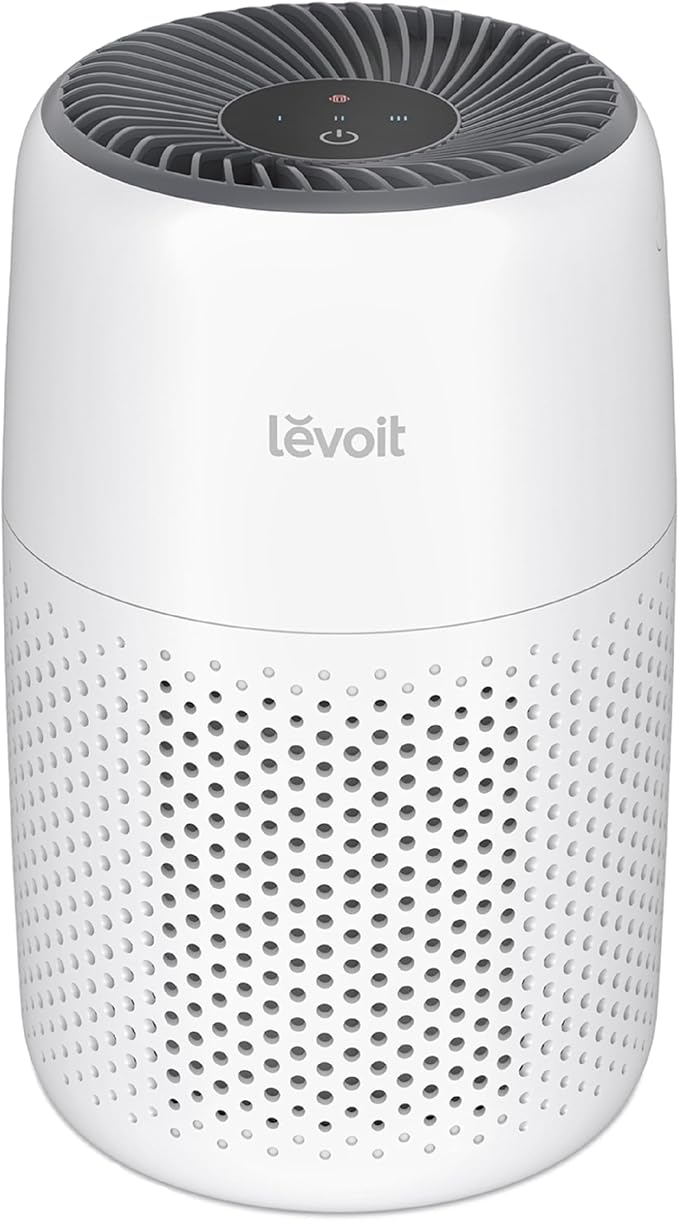
A small air purifier with carbon filtration near the litter box helps with airborne odor. Won't fix a dirty box, but helps with residual smell.
Litter Deodorizer Products
Most are just fragrance that masks odor temporarily. Skip them. Focus on removing the source (scooping) rather than covering it up.
When Odor Means Something Else
Persistent strong odor despite daily scooping:
- Medical issue: Strong-smelling urine can indicate urinary tract infection, kidney disease, or diabetes. Vet check needed.
- Litter box aversion: Cat may be avoiding the box, causing concentrated waste in one spot
- Box too small: Cat can't position properly, causing misses
- Wrong litter: Some litters amplify odor or your cat simply doesn't like it
- Diet change
- Medication side effects
- Health problem developing
FAQ
How often should I completely change the litter? Clumping litter: Monthly (scooped daily). Non-clumping: Weekly. Crystal: Every 3–4 weeks (stir daily, replace completely).
Can I use baking soda in the litter box? Yes, 1–2 tablespoons mixed into the litter helps neutralize odor. Too much can irritate paws or deter cats.
Does the type of food affect litter box odor? Yes. High-quality protein is digested more completely and produces less waste odor. Cheap fillers (corn, wheat) produce more smell. Wet food creates more odor than dry, but is healthier for cats.
Should I use scented litter? Most cats dislike strong fragrances. Unscented clumping litter + daily scooping beats scented litter + infrequent scooping every time.
Bottom Line
Litter box odor is preventable with daily scooping (twice daily is ideal), the right amount of clumping litter, weekly box washing, and proper ventilation. Masking products are a band-aid — the real solution is removing waste before it smells. It takes 5 minutes a day. Your nose (and your cat) will thank you.