Best dog toothpaste and toothbrush kits. Dog hates the brush? Lead with a paste made to be licked.
Dog dodges the toothbrush? Start with a coconut paste on VOHC's list for tartar, add a soft finger brush, and use five short steps to make brushing a habit.
Work back along the outside of the teeth, a few more each session.
Reward right away, every time. Skip the rinse: dog paste is made to be swallowed.
A brush-shy dog? The H&H finger brush below is the easier first step.
Skip human toothpaste: some contain xylitol, which is toxic to dogs.
Starting a new-year brushing routine? Begin with paste on your finger and nothing else. The five steps above set the pace, one small step per session, and your dog sets the speed.
How we chose: the label first, then the brush
VOHC acceptance for tartar, checked on VOHC's own list, and a full published ingredient list
Made for dogs to swallow, so there is no rinse step to fight about
A brush head soft enough for a dog who is still deciding about all this
A flavor your dog will lick off your finger, because that is step one
Our picks, by what your dog will put up with
1.Tartar control toothpaste dogs lick off a finger: Our pick: Tartar Shield PRO CARE Toothpaste
Why it's here: the one paste on this page on VOHC's accepted list for tartar in dogs (vohc.org, 2025), with every ingredient published.
VOHC-accepted for tartar in dogs
Full ingredient list on the maker's page, starting with water, glycerin, coconut oil and kaolin
Made without artificial parabens, dyes, sulfates or sweeteners. No rinsing
The catch
It has peppermint oil, so check the ingredient list with your vet if your dog reacts to essential oils. Brushing a cat too? VOHC lists it for dogs only.
Skip it if
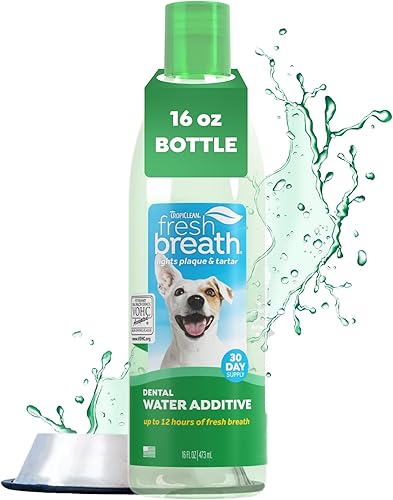
Your dog won't let a brush near its mouth. Start with TropiClean in the water bowl.
2.Best for a dog who turns down coconut: Petsmile Professional Pet Toothpaste
Why it's here: a chicken-flavored paste on VOHC's accepted list for plaque (vohc.org, 2011), for the dog who walks away from coconut.
Best forA dog who turns down coconut, or an owner who wants a VOHC seal for plaque
The catch
It only works brushed on, so keep up the steps above.
Less reach for the back teeth, and thin silicone is no match for a hard chewer.
Skip it if
Your dog already accepts a brush and the back teeth need the work. A small handle brush like the Jasper Microbrush reaches further.
Build a dog dental kit: one paste, one brush
Two pieces make a dog dental kit: a paste made to be swallowed and a brush your dog will allow.
Paste: Tartar Shield PRO CARE, VOHC-accepted for tartar in dogs. No rinse.
Nervous dog: For a puppy too, the H&H Pets finger brushes, soft silicone that fits over your finger.
Small mouth: For a small dog, or a mouth that clamps shut at a full-size brush, the Jasper Microbrush, extra-soft with replaceable heads (see the Jasper Microbrush pick).
The right kit depends less on the tube and more on what happens when you lift the lip.
Lets you brush: Tartar Shield PRO CARE on a small handle brush, daily.
Dodges the brush: Licks the paste, so Tartar Shield on an H&H Pets finger brush, front teeth first.
Clamps shut: The extra-soft Jasper Microbrush, with heads you can replace.
No coconut: Petsmile Professional, a chicken-flavored paste on VOHC's list for plaque.
Not ready: Won't allow anything near the mouth yet, so a water additive in the bowl while you practice step one.
What to look for in a dog toothpaste and brush
A brush sized to the mouth: a finger brush or a small head for small dogs and puppies, a handle brush when the back teeth need reach
Ingredients your dog tolerates: read the full list. Tartar Shield has peppermint oil. Allergies or a sensitive stomach? Take the list to your vet
A hard chewer: Keep silicone finger brushes on your finger and out of reach, and pick a sturdier handle brush once your dog allows one
A VOHC seal for tartar, confirmed on VOHC's own list at vohc.org, not only on the box
Only Tartar Shield here is on VOHC's list for tartar, so start there.
Brushing mistakes that make the next session harder
Skip these
Leading with the brush. The paste is the reward that buys you the brush. Brush first and the tube becomes the signal to leave.
Prying the mouth open. Lift the lip and brush the outside of the teeth instead. It is a much smaller ask.
Stopping at the front teeth. The back teeth along the cheek need the brush too. Add a few each session until you reach them.
Pushing on after it goes wrong. A session that ends in a wrestle sets you back. Stop while it is still going well.
Brushing still a fight: what to try next
Back a step: If the finger brush broke the deal, return to paste on a bare finger for a few sessions, then try again. Want a plan? See how to brush dog teeth in one week.
Switch the paste: A dog who walks away from coconut may take to a different flavor, like Petsmile's rotisserie chicken.
Watch for pain: Bleeding gums, a broken tooth, or a flinch when you touch one side of the mouth is a reason to stop and ask your vet before you brush again. Not sure what you're seeing? Check the warning signs of dog dental problems.
One small step per session beats one long fight.
Still a fight? A water additive in the bowl is the no-brush backup.
Rinse the brush in warm water after each session and let it air-dry. One brush per dog.
Replace a finger brush once the silicone tears or shows tooth marks, and a handle brush once the bristles splay. Cap the paste between sessions.
Considered, didn't make it
Human toothpaste: it isn't made for dogs. Use a paste made for pets, like the pick above.
A water additive (TropiClean): the no-brush backup.
Our verdict: paste first, then earn the brush
Buy Tartar Shield PRO CARE for any dog that will lick a finger. It's on VOHC's list for tartar, the coconut flavor gets you through step one, and there is no rinse. The catch: peppermint oil, so check with your vet if your dog reacts to essential oils.
Nervous dog or a puppy: add the H&H Pets finger brushes.
A dog who turns down coconut: Petsmile, on VOHC's list for plaque.
No. Some human toothpastes contain xylitol, which is toxic to dogs, and they are made to be spat out. Use a paste made for pets, which your dog can swallow.
How often should I brush my dog's teeth?
Daily is the goal. If that's not realistic, ask your vet what's enough for your dog. A routine you keep beats a perfect one you skip.
My dog hates brushing. What should I do?
Slow it down. Let your dog taste the paste off your finger first, then bring in the finger brush slowly. Build up from touching the lips to brushing a few teeth, and give a reward each time. One small step per session beats one long fight.
Do I need to rinse after brushing my dog's teeth?
No. Dog toothpaste is made to be swallowed, so there is no rinse step. Tartar Shield PRO CARE and Petsmile are both made for pets.
Finger brush or handle brush?
Start with a finger brush if your dog is nervous or still a puppy: you feel every tooth and can stop the moment it goes wrong. Move to a small handle brush once your dog accepts brushing, because it reaches the back teeth better.
What does VOHC-accepted mean on dog toothpaste?
VOHC is the Veterinary Oral Health Council. Its seal goes on products it has accepted for slowing plaque or tartar, and the claim is listed on its site. Check vohc.org for the product and the claim, because a listing for dogs does not cover cats.
What goes in a dog dental care kit?
Two pieces do the job: a dog toothpaste your dog can swallow and a brush your dog will allow. Tartar Shield PRO CARE is the paste here, and H&H Pets finger brushes or the Jasper Microbrush are the brush, depending on how your dog feels about it.
Is January a good time to start brushing my dog's teeth?
Any week works. A new-year reset is an easy anchor for a habit that needs to be daily, so start with paste on your finger this week and add the brush once your dog is relaxed about it.