The fix in 6 steps

Our pick for this:
Fresh Patch Real Grass Pee Pad
The catch: It's real grass, so swap it every 1 to 4 weeks. Busy pad, 3+ trips a day? Every 1 to 2 weeks. Set a reminder the day it arrives.
Shovel one spot close to the door
Same spot every time, so it smells like the right place.
Leave a dog alone at the door and it waits it out, then comes back in and goes inside.
Back inside, watch closely or use the crate for 10 to 15 minutes, then try again.
In this guide
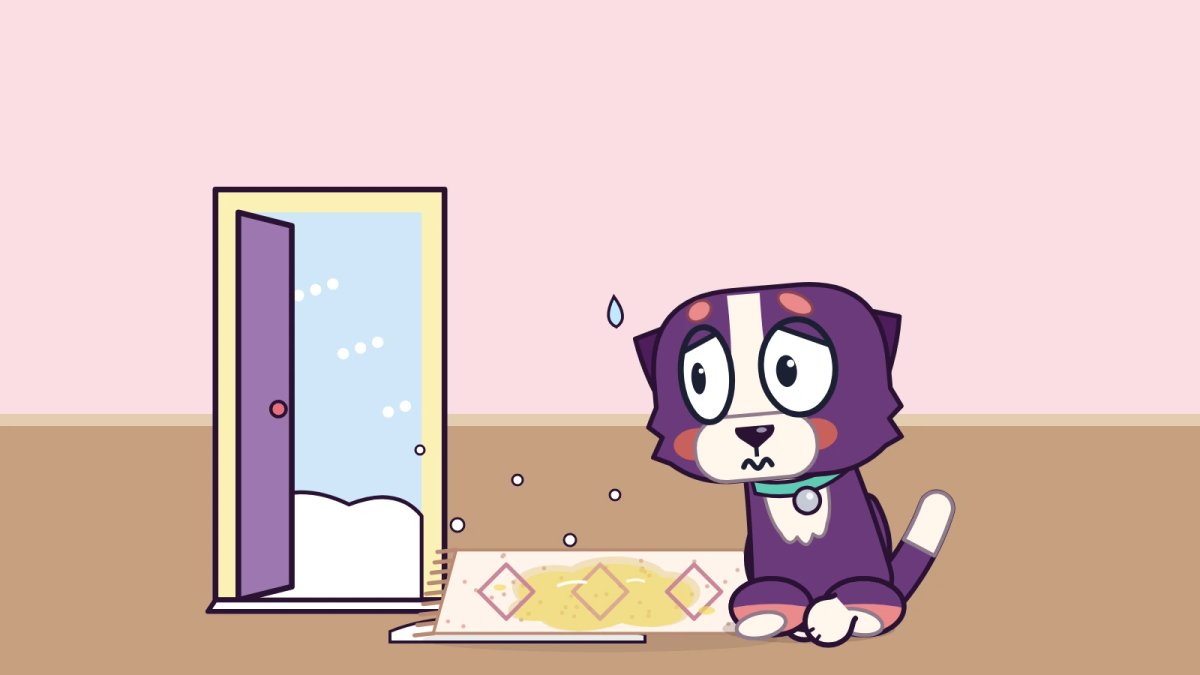
Your puppy steps onto the snow, looks back at you like you've betrayed them, then pees on the kitchen mat. The fix starts with a shovel.
Clear one spot near the door, put your own boots on and stand out there with treats in your pocket. The routine below covers the rest, plus a backup for storm days.
The cold-day potty routine
- Shovel one spot close to the door. A small patch of bare ground or flattened snow. Same spot every time, so it smells like the right place.
- Put your boots on too. Leave a dog alone at the door and it waits it out, then comes back in and goes inside. Your presence also means you see it happen and can reward it.
- Leash up. It keeps your dog at the spot instead of exploring the yard while you freeze.
- Say your potty cue, then wait quietly. No play yet.
- Reward the instant they finish, with a treat from your pocket and a happy word. Then a few minutes of play or a short walk as a bonus.
- Nothing after a few minutes? Back inside, watch closely or use the crate for 10 to 15 minutes, then try again.
Time the trips
The usual potty moments don't change in winter: right after waking up, after meals and water, after play and before bed. Puppies need more trips than adults.
What changes is that your dog is less keen, so be the one who makes the trip happen, even when they don't ask.
Why your dog refuses to go outside
Read this sectionHide this section
- It's cold and wet. Short-coated, small and older dogs feel it most. A dog coat buys them enough time out there to go.
- The paws hurt. Ice balls between the toes and road salt sting. Boots or paw wax help, and a wipe at the door matters. Our winter walking safety guide covers both.
- The spot is buried. Deep snow hides the familiar smells. Keep that one patch cleared.
- It's dark. Turn on a porch light and make the trip quick.
The backup plan: an indoor spot
For small dogs, puppies, apartments and the worst storms, an indoor spot keeps progress from sliding. Put it near the door you normally use, so the habit still points outside. A real grass pad smells like outdoors, which makes the switch back easier than with paper pads. Keep the indoor corner fresh with our litter and odor control picks for dogs.
Keep it a backup for the worst days and use the outdoor spot whenever you can. Switching back and forth a lot slows things down.
Other options, from washable pads to litter systems, are compared in our indoor potty solutions guide.
When an accident happens anyway
Read this sectionHide this section
Interrupt calmly if you catch your dog mid-pee ("outside!") and take your dog straight to the spot. If you find it later, just clean it.
Use an enzyme cleaner, not ammonia or a regular spray. If the smell lingers, your dog will treat that spot as a toilet. Step-by-step help is in how to get dog pee smell out of carpet.
Common mistakes
Read this sectionHide this section
Skip these
- Waiting inside the door: put your boots on too. Leave a dog alone and it waits it out, then comes back in and goes inside.
- Playing before they go: say your potty cue and wait quietly. Play comes after the reward.
- Waiting for your dog to ask: be the one who makes the trip happen, even when they don't ask.
- Using ammonia or a regular spray: use an enzyme cleaner, or your dog treats the lingering smell as a toilet.
- Flipping between indoor and outdoor spots: keep the indoor spot for the worst days. Switching back and forth slows things down.
Too cold depends on the dog
There's no single number: size, coat and age all change it. Short, quick trips are fine for most dogs. Puppies and tiny breeds feel it fastest, so ask your vet about yours.
Call the vet if
A dog who was reliably house-trained suddenly starts having accidents, pees much more often, strains or has blood in the urine. Winter doesn't cause those. A vet does need to see them.




